
 0
0
 0
0
Discovering a Region Shaped by Land, History, and Identity
The Cordillera Autonomous Region, located in the northern highlands of the Philippines, offers travelers an experience shaped by dramatic landscapes, deep-rooted traditions, and a strong sense of cultural identity. Unlike coastal destinations defined by beaches and resorts, the Cordillera region invites exploration through mountains, terraces, and communities that have preserved their heritage across generations. Travel here is not driven by spectacle alone, but by connection—connection to land, people, and history.
As interest in meaningful and culturally respectful travel grows, the Cordillera has gained attention among travelers seeking experiences beyond conventional itineraries. Its landscapes reflect centuries of human interaction with nature, while its communities embody resilience and continuity. Understanding the Cordillera as a travel destination requires appreciating both its physical beauty and the cultural values that shape everyday life. This article explores the region’s landscapes, traditions, and the type of travel experiences that define the Cordillera as a destination rooted in depth rather than distraction.
The Mountain Landscapes That Define the Cordillera
The Cordillera Autonomous Region is characterized by mountainous terrain that shapes both its environment and way of life. Towering ranges, mist-covered peaks, and winding roads create a sense of elevation that distinguishes the region from much of the country. These landscapes are not merely scenic backdrops but integral elements of cultural and agricultural practices.
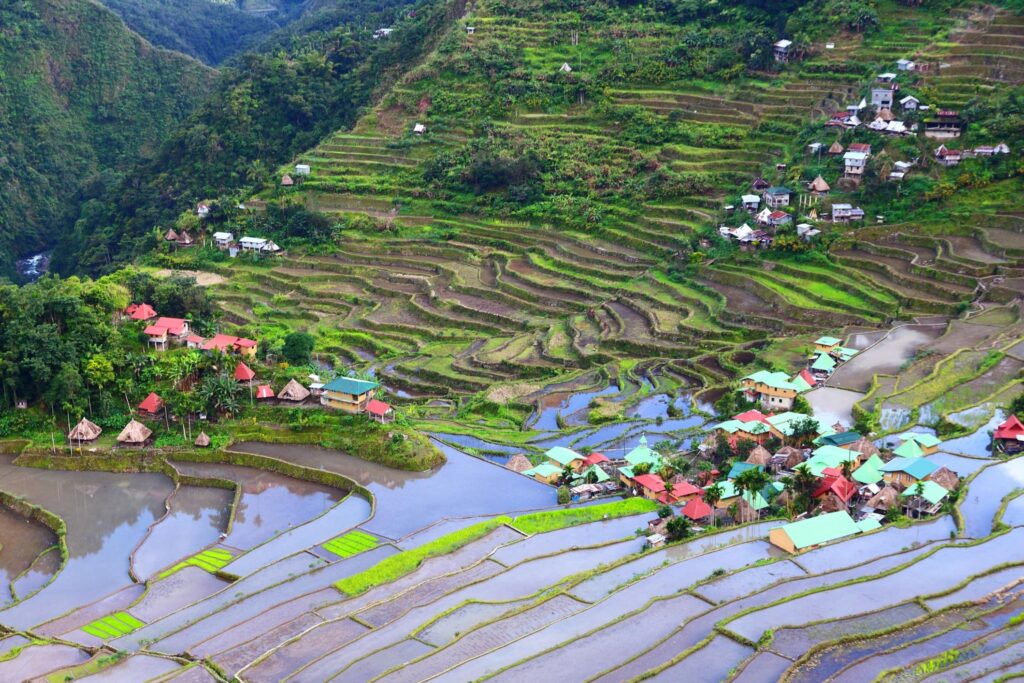
Among the most iconic features of the Cordillera are the rice terraces carved into mountainsides over centuries. These terraces demonstrate sustainable land use adapted to rugged terrain, reflecting an intimate understanding of environmental balance. Water systems channel mountain springs efficiently, sustaining crops and communities alike.
Travelers navigating these landscapes experience a slower pace, where journeys are shaped by terrain rather than speed. Hiking paths, village roads, and viewpoints invite observation and reflection. Within highland cultural travel experiences, the Cordillera’s landscapes encourage visitors to engage with place thoughtfully, appreciating how geography influences daily life and cultural continuity.
Indigenous Cultures and Living Traditions
Cultural identity remains central to life in the Cordillera Autonomous Region. Indigenous communities such as the Ifugao, Kankanaey, Bontoc, and Ibaloi maintain traditions that continue to shape social structure, rituals, and values. These traditions are not preserved as performances for visitors but lived as part of everyday life.
Languages, music, weaving, and rituals reflect histories passed down through generations. Community gatherings, agricultural cycles, and ceremonies mark important transitions and reinforce shared identity. Respect for elders, land, and ancestry plays a central role in social organization.
For travelers, meaningful engagement begins with observation and respect. Cultural immersion involves listening, learning, and recognizing boundaries rather than seeking spectacle. Responsible travel supports cultural preservation rather than commodification. Within thoughtful insights for modern readers, understanding living traditions encourages travel experiences rooted in humility and appreciation rather than consumption.
Food, Craft, and Everyday Expressions of Heritage
Cordillera culture is also expressed through food and craftsmanship. Local cuisine reflects agricultural practices shaped by altitude and climate. Root crops, vegetables, and preserved foods form the foundation of meals, emphasizing sustainability and resourcefulness. Cooking methods often prioritize simplicity and communal sharing.
Traditional crafts such as weaving and woodcarving serve both functional and symbolic purposes. Patterns and materials carry meaning related to identity, status, and community history. These crafts continue to be produced for daily use as well as cultural preservation.
Engaging with food and craft offers travelers insight into everyday life. Markets, workshops, and shared meals provide opportunities for respectful interaction. Supporting local artisans and producers contributes to economic sustainability while honoring cultural heritage. These experiences reinforce the Cordillera as a destination where culture is lived rather than displayed.
Nature, Reflection, and Slow Travel
The Cordillera invites a form of travel defined by presence and reflection. Its natural environments encourage outdoor activities such as hiking, walking, and quiet exploration rather than fast-paced tourism. Forests, rivers, and mountain trails provide spaces for solitude and connection with nature.
This slower rhythm aligns with broader trends toward mindful travel, where experiences are valued for depth rather than quantity. Visitors often find that time spent in the Cordillera fosters reflection and perspective, shaped by both landscape and community interaction.
Within a platform for reflective perspectives, the region exemplifies how travel can support well-being and awareness. By allowing space for stillness and observation, the Cordillera offers experiences that extend beyond photographs and itineraries, leaving lasting impressions rooted in place and memory.
Responsible Travel and Regional Sustainability
Responsible travel is essential to preserving the Cordillera’s cultural and environmental integrity. Increased tourism brings economic opportunity but also potential strain on infrastructure and ecosystems. Travelers play a role in ensuring that their presence supports rather than disrupts local communities.
Sustainable practices include respecting local customs, minimizing environmental impact, and supporting community-based initiatives. Choosing locally operated accommodations, guides, and services helps distribute benefits equitably. Awareness of waste management, water use, and trail preservation contributes to long-term sustainability.
As interest in the region grows, thoughtful planning becomes increasingly important. Responsible tourism aligns visitor curiosity with community well-being, ensuring that the Cordillera remains a destination defined by authenticity rather than overexposure. This balance allows future generations to continue sharing their heritage on their own terms.
Conclusion
Exploring the Cordillera Autonomous Region offers travelers an opportunity to engage with landscapes and cultures shaped by history, resilience, and deep connection to land. From its mountain terrain and agricultural traditions to its living indigenous cultures, the region invites travel grounded in respect and reflection. Meaningful experiences emerge through attentive observation, cultural humility, and responsible choices that support local communities. As travelers seek destinations that offer depth rather than distraction, the Cordillera stands as a place where journeys become opportunities for understanding and connection. Through thoughtful engagement, travel in the Cordillera can remain enriching for both visitors and the communities that call the region home.


