
 0
0
 0
0
Understanding Disability in Companion Animals
Pets with disabilities are increasingly visible in households around the world, not because disability is new, but because awareness, veterinary care, and compassion have evolved. Disabilities in animals can be congenital, injury-related, age-associated, or the result of illness. These conditions may affect mobility, vision, hearing, neurological function, or overall coordination. While the presence of a disability may initially feel overwhelming to pet owners, many animals adapt remarkably well when given appropriate support and care.
Understanding disability in pets requires shifting perspective. Rather than focusing on limitations, responsible care emphasizes ability, comfort, and quality of life. Disabled pets are capable of forming strong bonds, enjoying daily routines, and living fulfilling lives when their needs are met thoughtfully. With proper guidance, pet owners can learn how to adapt environments, routines, and expectations in ways that promote independence and well-being. This article explores practical, compassionate approaches to caring for special-needs animals, offering clarity for pet owners seeking to provide responsible and informed support.
Recognizing Different Types of Pet Disabilities
Pet disabilities vary widely in form and impact, making individualized understanding essential. Mobility impairments are among the most common, often caused by spinal injuries, limb deformities, arthritis, or paralysis. These conditions may limit walking or balance but do not necessarily affect cognitive function or emotional awareness. With assistive tools and environmental adjustments, many mobility-impaired pets maintain active and engaged lives.
Sensory disabilities such as blindness or deafness require different considerations. Visually impaired pets rely heavily on scent, sound, and spatial memory, while hearing-impaired animals respond well to visual cues and tactile communication. Neurological conditions may affect coordination or behavior, requiring patient observation and structured routines.
Recognizing these conditions early supports better outcomes. Veterinary assessment plays a critical role in diagnosis, treatment planning, and long-term management. Within responsible special-needs pet care practices, understanding the specific nature of a pet’s disability allows owners to tailor care rather than applying generalized solutions. This awareness reduces frustration and strengthens trust between pet and caregiver.
Adapting the Home Environment for Accessibility
A supportive home environment is central to the well-being of pets with disabilities. Small adjustments can significantly improve safety, comfort, and independence. For mobility-impaired pets, non-slip flooring, ramps, and clear pathways help prevent injury and encourage movement. Raised food and water bowls can reduce strain on joints and necks, particularly for older animals.
For blind pets, maintaining consistent furniture placement helps preserve spatial memory. Avoiding sudden rearrangements reduces anxiety and confusion. Textured mats or scent markers near doorways and feeding areas provide navigational cues. Deaf pets benefit from visual signals, consistent lighting, and predictable routines that reinforce communication.
Environmental adaptation reflects thoughtful animal welfare and daily care responsibility. It demonstrates attentiveness to the pet’s experience rather than imposing expectations based on typical behavior. Creating a stable, accessible environment not only supports physical safety but also enhances emotional security. Pets thrive when they feel confident navigating their surroundings, reinforcing the importance of home design as a caregiving tool.
Daily Care, Routines, and Emotional Support
Consistency plays a vital role in caring for pets with disabilities. Structured routines help animals anticipate activities, reducing stress and confusion. Feeding, exercise, and rest should occur at predictable times, allowing pets to adjust naturally to daily rhythms. For animals with mobility challenges, gentle assisted movement or physical therapy exercises may support muscle health and circulation.
Emotional support is equally important. Pets with disabilities may experience frustration, especially during periods of adjustment. Calm reassurance, patience, and positive reinforcement help build confidence. Owners should observe behavioral cues closely, as changes may indicate discomfort or stress rather than defiance or disinterest.
Within compassionate pet ownership guidance, emotional connection is emphasized alongside physical care. Disabled pets often form deep bonds with caregivers who respond attentively to their needs. This connection reinforces trust and improves overall quality of life, reminding owners that disability does not diminish companionship or affection.
Veterinary Care and Long-Term Health Management
Ongoing veterinary involvement is essential for pets with disabilities. Regular checkups allow for monitoring progression, adjusting treatment plans, and addressing secondary complications. Pain management, nutritional support, and preventive care remain priorities regardless of disability type.
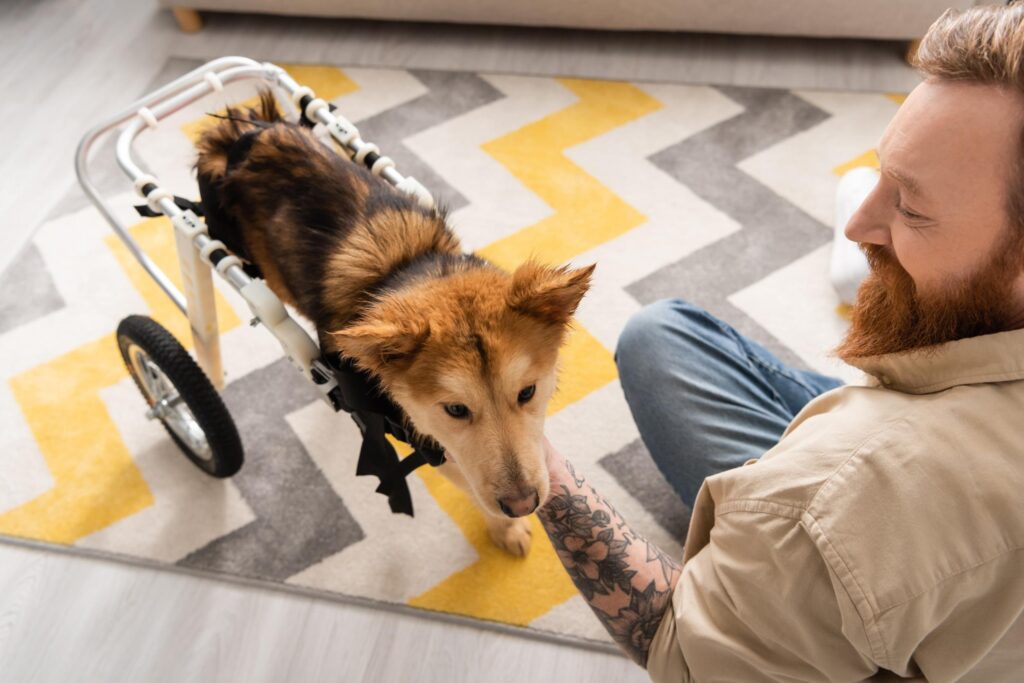
Veterinarians may recommend assistive devices such as wheelchairs, braces, or harnesses. These tools support mobility and reduce strain while preserving independence. Rehabilitation therapies, including hydrotherapy or targeted exercises, can also enhance strength and coordination when appropriate.
Long-term health management reflects commitment rather than cure-focused thinking. Disability often requires adaptation rather than resolution. Within a platform for informed exploration, understanding veterinary guidance empowers owners to make responsible decisions that prioritize comfort and dignity over unrealistic expectations.
Challenging Stigma and Embracing Inclusive Pet Care
Despite growing awareness, misconceptions about disabled pets persist. Some assume that disability equates to suffering or diminished quality of life. In reality, animals are remarkably adaptable and often live contentedly when supported appropriately. Challenging stigma begins with education and visibility.
Sharing accurate information helps normalize special-needs pet care and encourages adoption rather than avoidance. Many disabled animals face longer shelter stays due to misunderstanding rather than actual limitations. Responsible advocacy emphasizes capability, resilience, and the joy these pets bring to households.
Inclusive pet care reflects evolving attitudes toward animal welfare. By embracing diversity in ability, communities foster compassion and responsibility. As part of thoughtful insights for modern readers, recognizing the value of disabled pets promotes ethical ownership and reinforces the idea that care is defined by commitment, not convenience.
Conclusion
Caring for pets with disabilities requires patience, adaptability, and a commitment to understanding individual needs. While disabilities may change how care is provided, they do not diminish a pet’s capacity for connection, play, or companionship. Through environmental adaptation, consistent routines, veterinary support, and emotional attentiveness, pet owners can create fulfilling lives for special-needs animals. Responsible care emphasizes quality of life rather than limitation, reinforcing dignity and comfort at every stage. As awareness grows, embracing inclusive pet care strengthens not only individual households but broader attitudes toward animal welfare. Supporting disabled pets reflects compassion in action and reminds caregivers that meaningful relationships are built through understanding, presence, and thoughtful responsibility.


