
 0
0
 0
0
Why a Decades-Old Marketing Model Remains Relevant
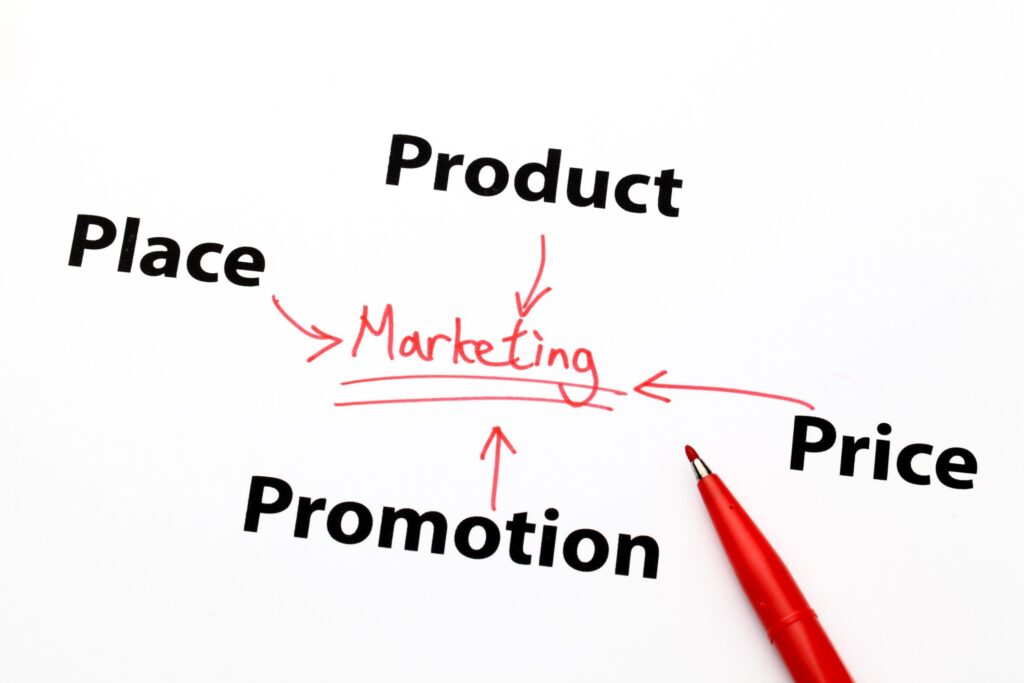
Marketing trends evolve quickly, shaped by digital platforms, shifting consumer behavior, and emerging technologies. Yet despite these changes, certain foundational frameworks continue to guide effective strategy. Among the most enduring is the 4Ps of marketing: Product, Price, Place, and Promotion. Introduced long before social media and e-commerce dominated commerce, this model remains widely taught and applied across industries.
What makes the 4Ps framework particularly relevant today is its adaptability. Rather than prescribing tactics, it offers a structured way to think about how value is created, communicated, and delivered. Modern marketers often work across complex channels, but the underlying questions remain the same: what is being offered, at what value, where it is accessed, and how it is communicated. Understanding why the 4Ps still matter helps clarify how timeless principles continue to support effective marketing decisions in a rapidly changing environment.
Product: Defining Value Beyond Features
At the core of the 4Ps framework lies the concept of product. In modern marketing, a product is not limited to a physical item or service. It represents a solution to a customer’s problem and an experience shaped by design, quality, and usability. Successful products address real needs while aligning with brand identity and customer expectations.
Today’s consumers evaluate products based on more than functionality. Factors such as sustainability, ethical sourcing, and brand values influence purchasing decisions. Marketers must understand how their offerings fit into customers’ lives and adapt products accordingly. This includes refining features, packaging, support, and post-purchase experience.
Within effective marketing strategy fundamentals, product decisions set the foundation for all other marketing activities. A well-defined product simplifies pricing, distribution, and promotion. Without clarity at this stage, even the most creative campaigns struggle to deliver lasting impact.
Price: Balancing Perceived Value and Market Reality
Pricing remains one of the most influential elements of the marketing mix. It communicates value, positions the brand, and directly affects profitability. Modern pricing strategies consider not only costs and margins but also customer perception and competitive context.
Dynamic pricing models, subscription structures, and personalized offers have expanded pricing options. However, the core principle remains consistent: price must align with perceived value. Overpricing can deter customers, while underpricing may undermine credibility or sustainability.
Understanding pricing within the 4Ps framework encourages marketers to view price as a strategic signal rather than a fixed number. It requires ongoing evaluation of market conditions, customer feedback, and brand positioning. When applied thoughtfully, pricing supports long-term relationships rather than short-term transactions, reinforcing trust and loyalty.
Place: Reaching Customers Where It Matters Most
Place refers to how and where products are made available to customers. In today’s environment, this extends beyond physical locations to include digital platforms, marketplaces, and omnichannel experiences. Accessibility and convenience have become central expectations.
Modern consumers expect seamless transitions between online and offline interactions. Whether through websites, mobile apps, or third-party platforms, place decisions influence visibility and customer experience. Marketers must consider logistics, distribution partnerships, and platform alignment when determining how products reach audiences.
By examining place through contemporary marketing planning approaches, businesses can optimize reach while maintaining control over brand representation. Strategic distribution enhances availability without diluting identity, ensuring products remain accessible while reinforcing positioning.
Promotion: Communicating With Purpose and Clarity
Promotion encompasses all activities used to communicate value to customers. While digital channels have expanded promotional possibilities, the underlying objective remains unchanged: to convey relevance, credibility, and differentiation.
Modern promotion emphasizes engagement rather than interruption. Content marketing, social media, and community-building initiatives encourage dialogue and trust. Promotional strategies must balance creativity with consistency, ensuring messages align with brand values and customer expectations.
Understanding promotion within the 4Ps framework highlights the importance of coherence. Effective promotion integrates messaging across channels while remaining responsive to feedback. As part of a platform for reflective perspectives, thoughtful promotion prioritizes clarity over volume and connection over noise.
Why the 4Ps Still Matter in Modern Marketing
Despite evolving tools and platforms, the 4Ps framework endures because it addresses fundamental questions of value creation and delivery. It provides a common language for teams and a structured approach to decision-making.
Modern marketers often layer additional considerations such as people, process, and physical evidence, but these extensions build upon the original framework. The 4Ps remain a starting point that supports clarity and alignment across marketing efforts.
By revisiting foundational principles, businesses avoid becoming reactive to trends without direction. The 4Ps encourage strategic thinking that adapts to change without losing focus, supporting sustainable marketing practices over time.
Conclusion
The continued relevance of the 4Ps of marketing reflects the strength of its underlying principles. While marketing channels and technologies evolve, the need to define products clearly, price them thoughtfully, distribute them effectively, and promote them with purpose remains constant. The framework offers structure in an increasingly complex landscape, helping marketers maintain focus amid change. By applying the 4Ps with flexibility and insight, businesses can align strategy with customer needs and long-term goals. Rather than limiting creativity, the model provides a foundation that supports thoughtful adaptation and meaningful engagement in modern marketing environments.


